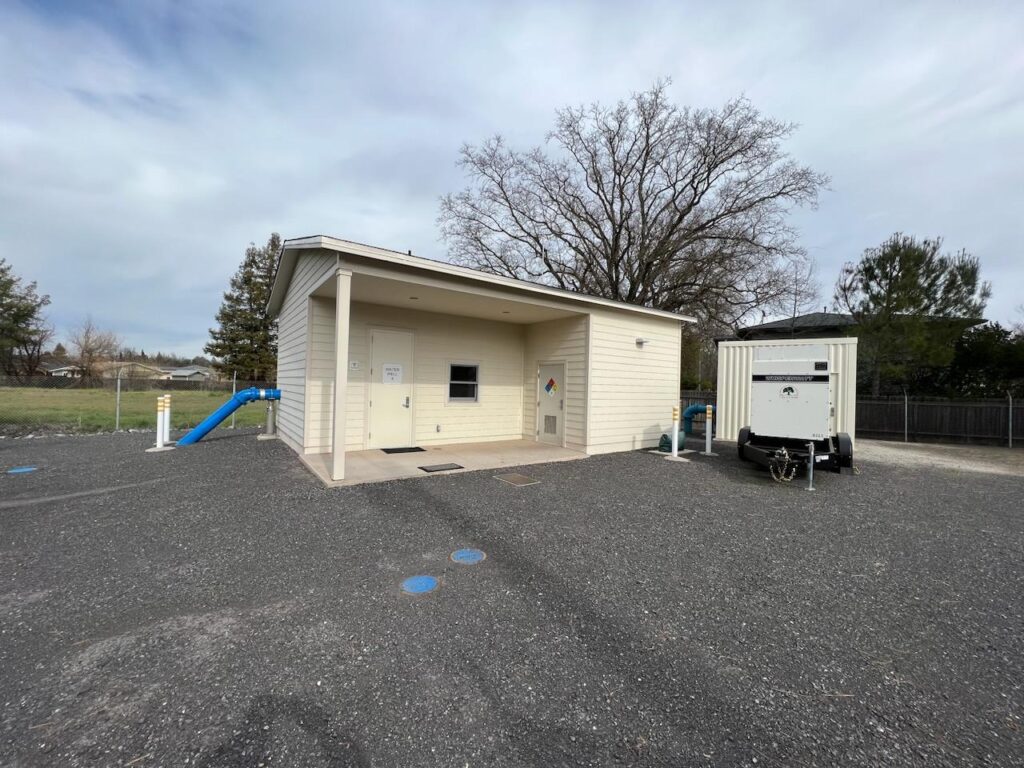
Ukiah Municipal Well Project The purpose of the Proposed Project is to construct a new well with a capacity of...
Read More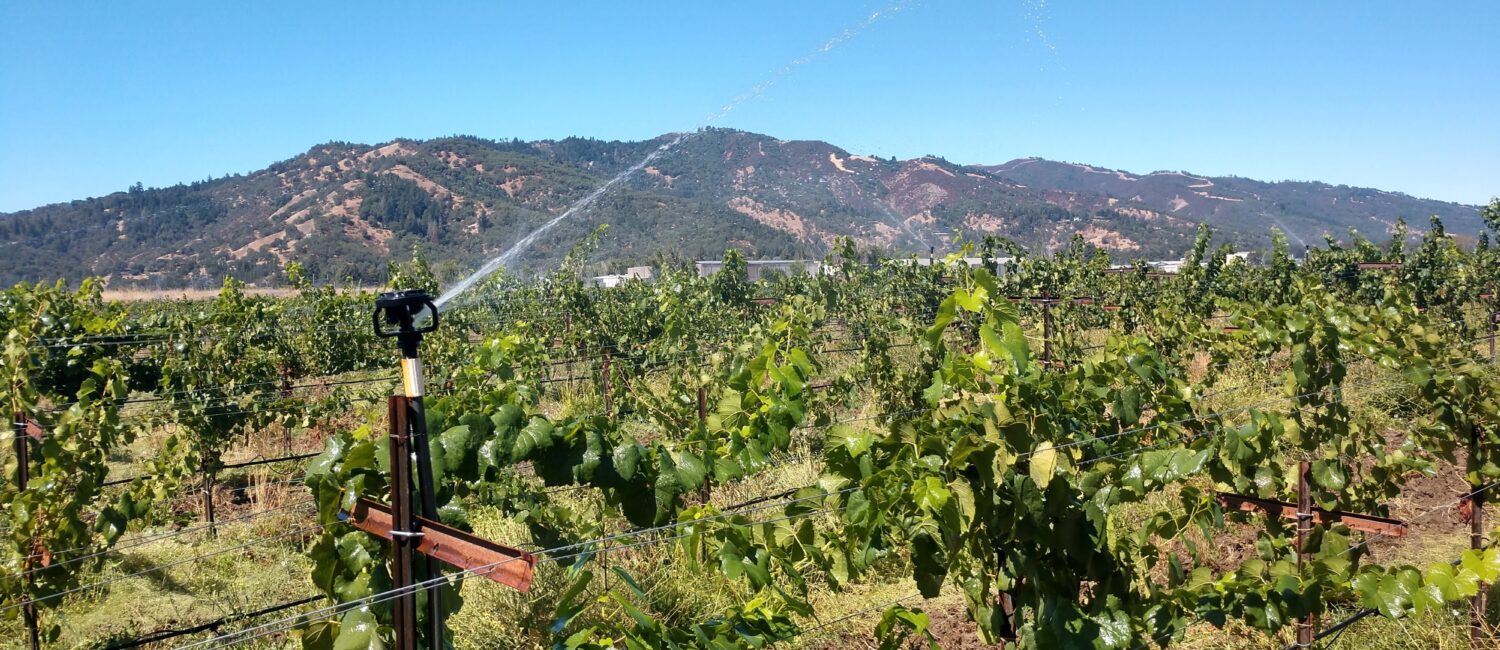
Water Resources

Recycled Water
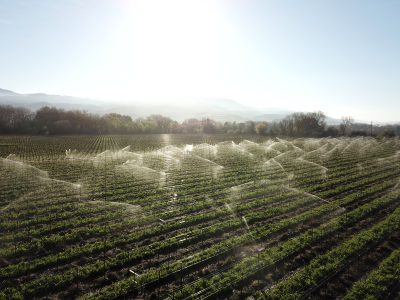 The recycled water project known as the “purple pipe project” provides numerous benefits to our community including promoting a vibrant agricultural region, reducing diversions from the Russian River, assisting in conformation to State conservation objectives, reducing treated water discharge, and improving environmental habitat by providing an alternative source for frost protection.
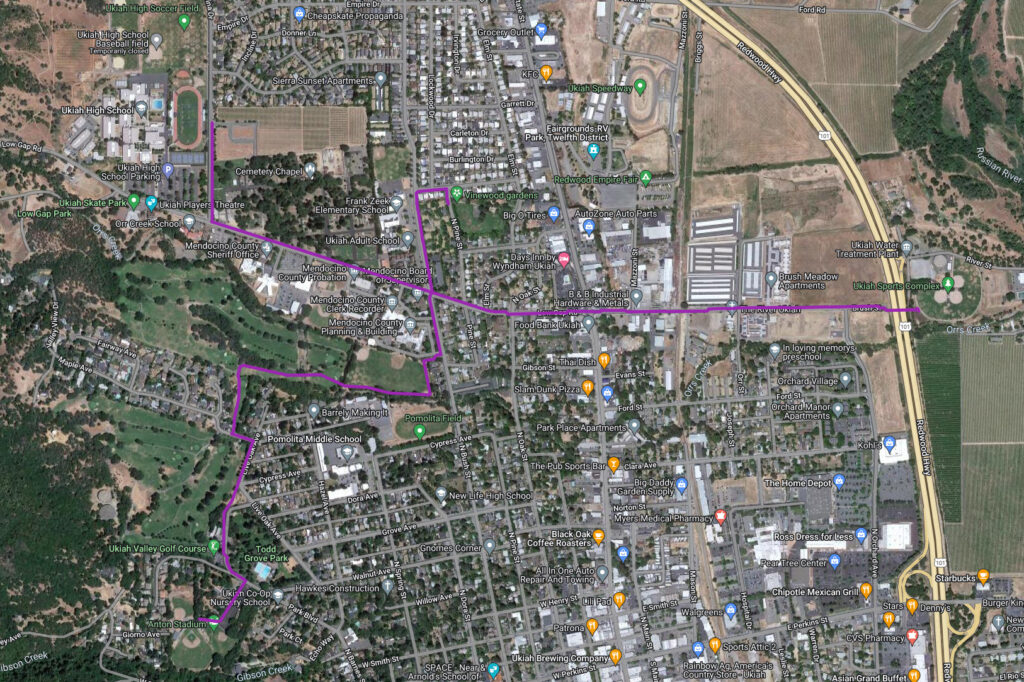
The Project was designed to be constructed in 4 phases. Phases 1-3 brought the project online by 2019 with the installation 8 miles of pipeline, 66 million gallons of storage, an enlarged chlorine contact basin, and a pumping facility. Phases 1-3 cost $34 million, which was provided by the State Water Resources Control Board (SWRCB) in the form of a low-interest loan and $9 million in grants.
In 2023, the SWRCB awarded Ukiah a $53.7 million grant for the Project’s Phase 4 expansion, which was completed in the fall of 2025. Phase 4 increased the Project’s capacity to 1,500 acre- feet per year. That additional water will irrigate other important areas including Vinewood Park, Frank Zeek School, Pomolita School, soccer fields, Ukiah High School, the Ukiah Cemetery, Anton Stadium, Giorno Park, Todd Grove Park, and the Ukiah Valley Golf Course.
- By providing recycled water for fields and agricultural use, the recycled water project significantly reduces demand on the Russian River, Lake Mendocino, and groundwater resources. That helps meet conservation goals, and improves regional sustainability. The City achieves 100% conservation most years by recycling and recharging more than it diverts from the river basin.
Wastewater
Water that goes down your shower, toilet and sink drain enters our wastewater collection system. Over 93 miles of underground pipes bring this wastewater from homes, businesses, and industry located within the City of Ukiah to the wastewater treatment plant.
The majority of our wastewater runs by gravity through a series of wastewater pipes to the Plant. The remainder of the wastewater, due to elevations that will not allow for gravity flow, must be lifted (pumped) to a location through force (pressurized) mains in the wastewater system that will allow the wastewater to return to a gravity wastewater main.
The Waste Water Treatment Plant underwent a three year, $56.5M improvement project that was completed in 2009. The plant also received numerous multi-million-dollar upgrades as part of the Recycled Water Project.
Maintenance and Operations
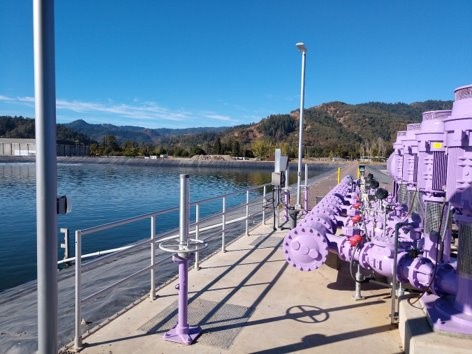 The City employs staff of highly-trained wastewater operators, mechanics, and lab technicians to ensure that our plant meets or exceeds all environmental mandates and delivers effective wastewater services with a minimum or no interruption to our customers. The recycled water and wastewater system operators are responsible for nearly 8 miles of recycled water, 93 miles of sewer pipe, and 3 wastewater lift stations. Maintenance includes testing, cleaning, leak repair, operational emergency response, general construction, and more.
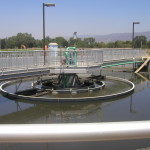 The Waste Water Treatment Plant, operational since 1958, serves the City of Ukiah and the Ukiah Valley Sanitation District. It has a current treatment capacity of 2.8 million gallons per day (MGD) of dry weather flow and 20 MGD of peak wet weather flow. Primary treatment removes floating material, oils and greases, sand and silt and organic solids heavy enough to settle in water. Secondary treatment biologically removes most of the suspended and dissolved organic material.
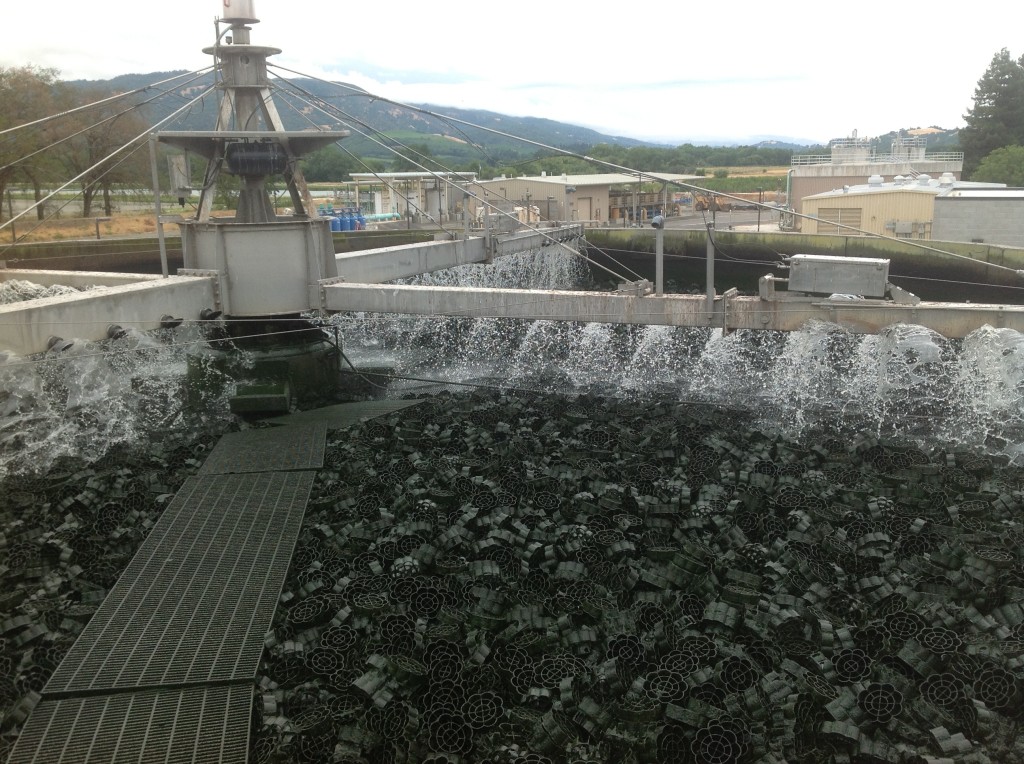
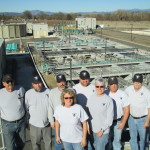 Treatment steps are grit removal, primary sedimentation, secondary treatment (trickling filters), secondary sedimentation, final clarification (advanced waste water treatment facility), sludge digestion (digesters), disinfection, dechlorination, and effluent discharge to the percolation ponds.
The Waste Water Treatment Plant underwent a three year, $56.5M improvement project that was completed in 2009. This plant will insure continued compliance with permit requirements and meet future demand growth.
Reports
Recycled Water – Phase 4
City of Ukiah, Recycled Water – Phase 4 The California State Water Resources Control Board has awarded the City of...
Read More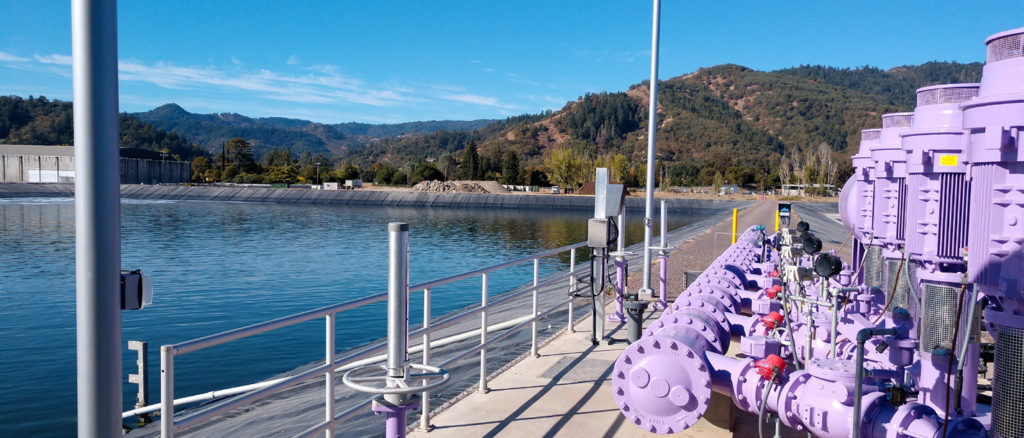
Ensuring Affordable and Reliable Water Supplies
Ukiah – Ensuring Affordable and Reliable Water Supplies for 2021 and the Years to Come through: Addressing Water Security Alleviating...
Read More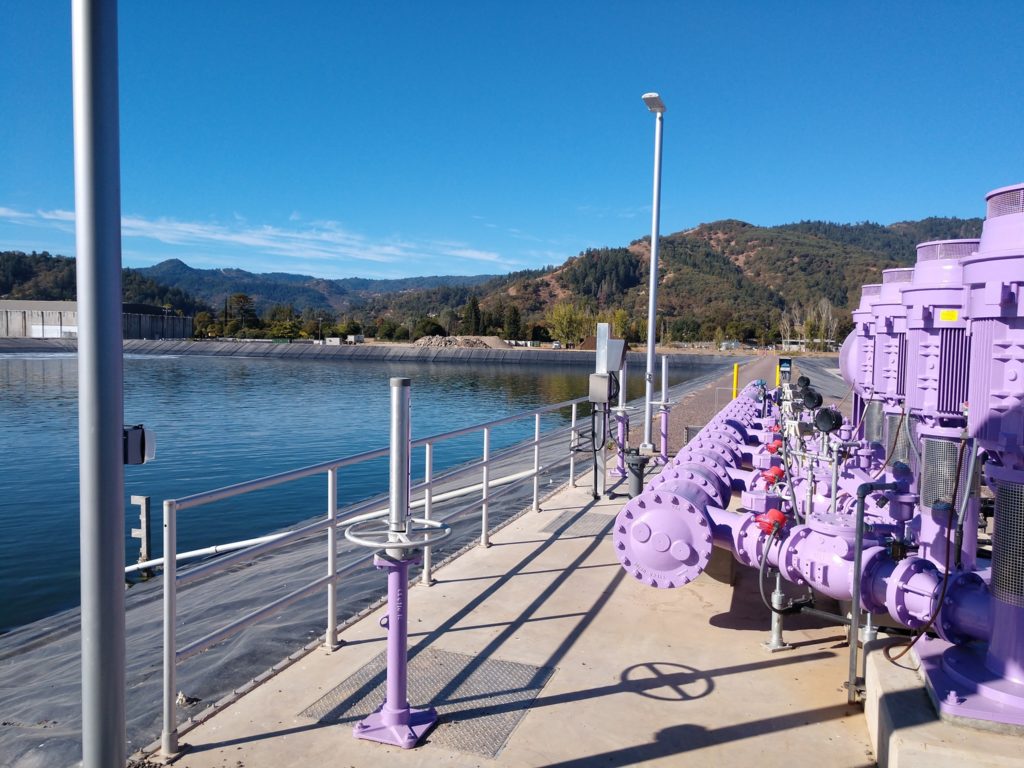
Recycled Water
Recycled Water The City of Ukiah in California produces approximately 1,000-acre feet of recycled water annually. The City’s recycled water...
Read More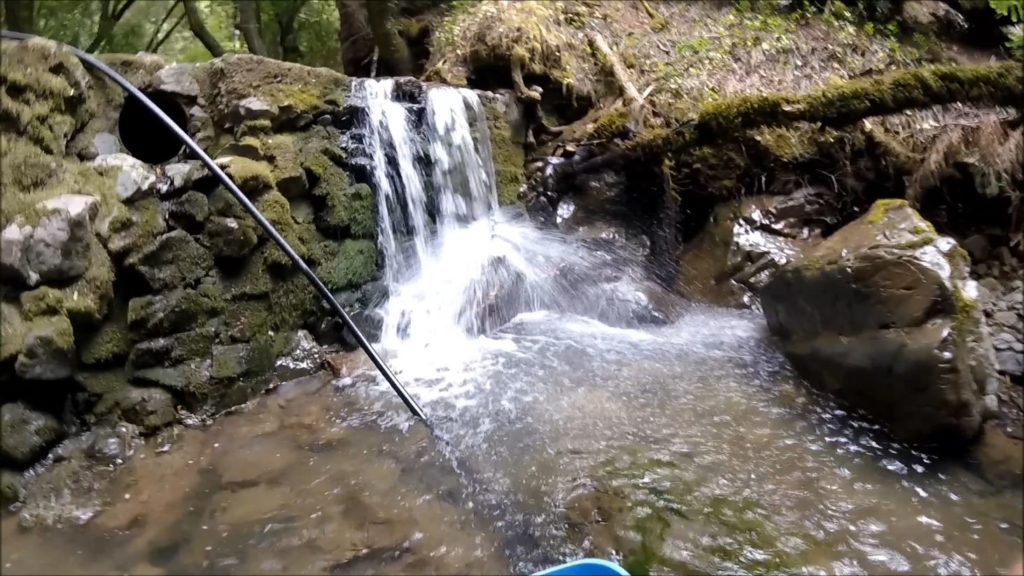
Gibson Creek Remote Spawning Incubator Project
In the Spring of 2017 the City of Ukiah partnered with the National Marine Fisheries Service (NMFS) to test a...
Read More